How Seychelles Built a Luxury Economy
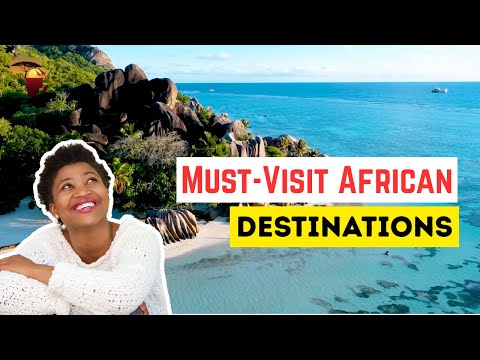
Seychelles is often seen as a tropical paradise, but behind its turquoise waters and luxury resorts lies one of Africa’s most fascinating economic success stories. This video explores how a tiny island nation in the Indian Ocean transformed itself from a poor, agriculture-based economy into one of the world’s most exclusive luxury destinations. Welcome to “How Seychelles Built a Luxury Economy,” a deep dive into the strategies, policies, and bold decisions that made this possible.
In the 1960s and 1970s, Seychelles was far from the luxury hub it is today. The islands relied heavily on coconuts, vanilla, and fishing, with very little infrastructure and limited trade. After gaining independence in 1976, the government set out on a daring mission to turn isolation into opportunity. Instead of chasing mass tourism like many other destinations, Seychelles focused on attracting fewer visitors who could spend more. This “high-end, low-impact” strategy became the foundation of its economic rise.
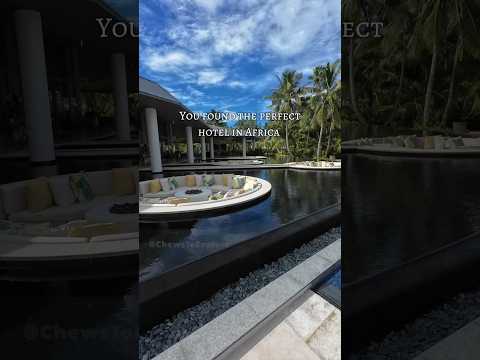
Through smart partnerships with global hotel brands, controlled development policies, and strict environmental protection laws, Seychelles built a brand synonymous with exclusivity. The country made a conscious choice: it would sell quality over quantity. Each visitor wasn’t just a tourist, but a high-value guest contributing to both the economy and conservation efforts.
But Seychelles didn’t stop at tourism. The government diversified the economy into offshore finance, luxury real estate, and sustainable fisheries creating new revenue streams that reduced dependence on visitors. Through its innovative “Blue Economy” model, Seychelles became a world leader in balancing environmental conservation with economic growth. It even issued the world’s first sovereign blue bond to fund marine protection and ocean-based industries.
As the luxury economy grew, so did the focus on people. The government invested heavily in education, healthcare, and policies promoting